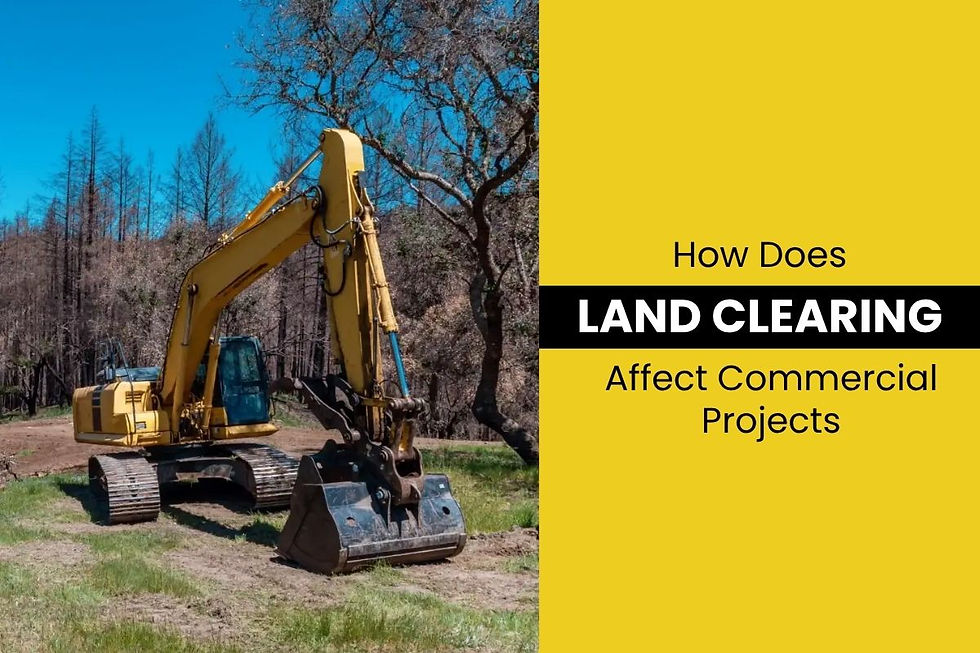
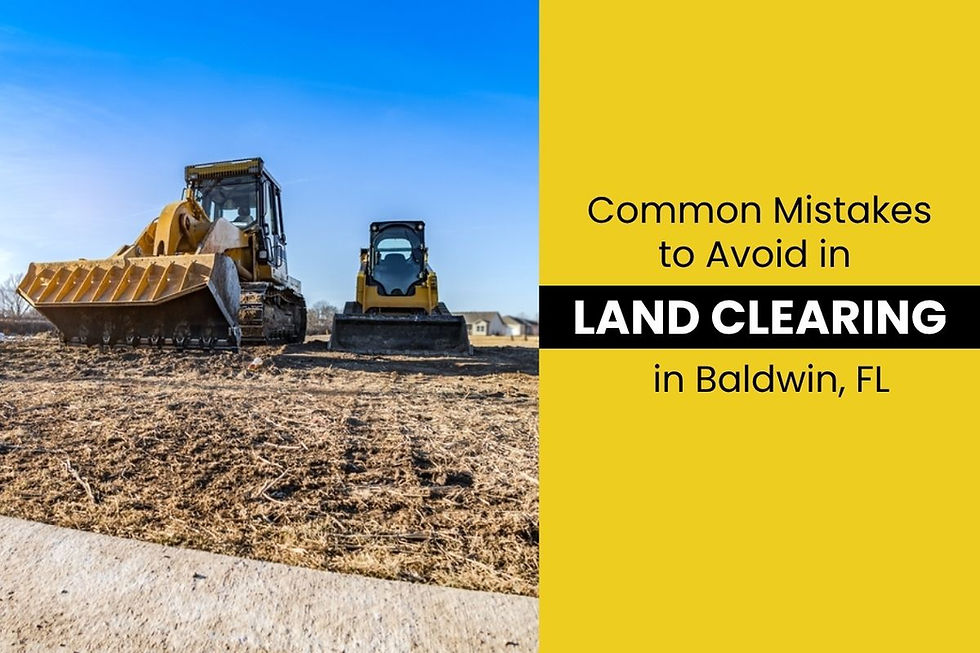
Which Step-by-Step Planning Guide Helps Avoid Land Clearing Mistakes?
- seoatchandigarh315
- Sep 25, 2025
- 3 min read

Clearing land can be an exciting step toward developing a property, whether it’s for agriculture, residential construction, or commercial purposes. However, without proper planning, land clearing projects can quickly turn costly and time-consuming. By following a structured step-by-step planning guide, property owners can minimize mistakes, save money, and ensure their land is prepared efficiently. Working with an experienced land clearing service can make this process smoother and more effective.
Step 1: Define Your Project Goals
Before any physical work begins, it’s crucial to identify the purpose of your land clearing project. Are you preparing for farming, constructing a building, or creating recreational space? Clear objectives help determine the type of clearing required, the equipment needed, and the overall timeline. Knowing your goals in advance prevents unnecessary clearing or over-clearing, which can damage the land and increase costs.
Step 2: Assess the Terrain and Vegetation
Every piece of land is unique, presenting its own set of challenges. Some plots may have rocky soil, dense brush, or uneven terrain, while others might include wet areas or protected trees. Assessing the land carefully allows your land clearing service to determine the most efficient and affordable way to clear overgrown land. A thorough survey also identifies potential hazards such as underground utilities, drainage concerns, or invasive plants that may need specialized removal techniques.
Step 3: Obtain Necessary Permits
Many regions have regulations regarding land clearing to protect the environment, manage erosion, and maintain local ecosystems. Before starting, check for any required permits or approvals. Working with a professional land clearing service ensures compliance with local laws, avoiding fines or project delays. Some permits may require environmental assessments or adherence to specific clearing techniques, so it’s essential to handle this step carefully.
Step 4: Choose the Right Clearing Method
There are multiple techniques for clearing land, each with its advantages and limitations. Traditional methods, like bulldozing and manual removal, can be effective for smaller plots but may disturb the soil and increase erosion. Modern approaches, such as forestry mulching, grind and shred vegetation in place, leaving nutrient-rich mulch behind and maintaining soil stability. Selecting the appropriate method based on your land type and project goals is a key factor in preventing mistakes.
Step 5: Plan for Equipment and Resources
Proper equipment is essential for efficiency and safety. Your land clearing service should select machinery that matches the size and nature of your project, from skid steers and bulldozers to specialized mulching machines. Adequate planning also involves scheduling manpower, fuel, and other necessary resources. Underestimating these requirements can lead to delays and higher costs.
Step 6: Consider Environmental Impact
Responsible land clearing isn’t just about removing unwanted vegetation, it's about preserving the natural ecosystem. Implementing erosion control measures, avoiding damage to waterways, and protecting native plants can make a significant difference. Consulting with an experienced land clearing service ensures your project adheres to sustainable practices, reducing the risk of long-term environmental damage.
Step 7: Implement Safety Measures
Land clearing can be hazardous if proper precautions are not taken. Potential risks include falling trees, flying debris, and unstable terrain. A professional land clearing service follows strict safety protocols, ensuring that all personnel and equipment operate in a controlled environment. Planning for safety includes wearing protective gear, creating safe work zones, and preparing for emergency situations.
Step 8: Review and Adjust the Plan
Even with careful preparation, unexpected challenges can arise. Regularly reviewing progress allows adjustments to be made in real-time. For instance, if an area is more densely wooded than anticipated, additional equipment or manpower may be required. Keeping communication lines open with your land clearing service ensures that problems are addressed promptly and efficiently.
Step 9: Execute the Clearing
With planning complete, the land clearing process can begin. A professional team will follow the outlined plan, using the chosen methods and equipment to remove vegetation safely and efficiently. Continuous monitoring during this phase prevents mistakes and ensures the project stays on schedule.
Step 10: Post-Clearing Assessment
After the land is cleared, conduct a thorough assessment to verify that all objectives have been met. Check for remaining debris, soil stability, and compliance with environmental regulations. Proper post-clearing evaluation helps prevent issues in subsequent development phases, such as planting, construction, or road installation.
Final Words
Avoiding mistakes in land clearing requires thoughtful planning, informed decisions, and professional expertise. By following a step-by-step guide, property owners can ensure efficient, safe, and environmentally responsible land preparation. Collaborating with a skilled land clearing company not only saves time and money but also maximizes the potential of your property, setting the stage for a successful project. Whether you’re clearing a small plot or a large acreage, structured planning is the key to a smooth and effective land clearing experience.