What Are the Common Mistakes to Avoid in Land Clearing in Baldwin, FL?
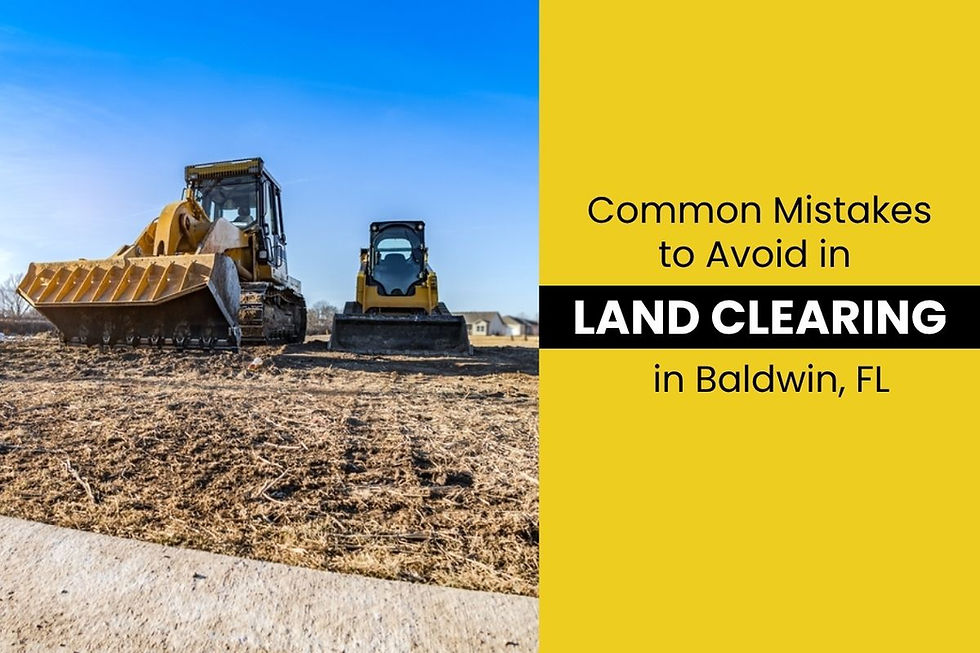
Land clearing is a crucial first step in any construction, agricultural, or property development project. Whether you're preparing land for a new home, commercial site, or improving your property’s usability, doing it right can save time, money, and long-term headaches. However, many property owners in Baldwin, FL make avoidable mistakes during the land clearing process that can lead to costly delays, environmental damage, or even legal issues.
In this guide, we’ll break down the most common mistakes to avoid in land clearing in Baldwin, FL, and how you can ensure a smooth and efficient process from start to finish.
Understanding Land Clearing in Baldwin, FL
Land clearing involves removing trees, brush, stumps, rocks, and other obstacles to prepare land for a specific purpose. In Baldwin, FL, where the terrain can vary and environmental regulations may apply, it’s important to approach land clearing with proper planning and expertise.
Using professional land clearing services ensures that your project complies with local regulations while maximizing efficiency and minimizing environmental impact.
Failing to Plan Properly Before Land Clearing
One of the biggest mistakes property owners make is jumping into land clearing without a clear plan. Many underestimate the complexity involved in clearing land effectively.
Why Planning Matters:
Identifies which areas need clearing
Determines equipment and techniques required
Helps avoid unnecessary clearing
Ensures compliance with zoning laws
Without proper planning, you may clear too much land, damage valuable vegetation, or miss important steps like soil preparation.
Ignoring Local Regulations and Permits
Baldwin, FL has specific guidelines when it comes to land clearing, especially regarding environmental protection and property boundaries.
Common Issues:
Clearing protected areas without permission
Violating erosion control regulations
Ignoring setback requirements
Failing to obtain the necessary permits can result in fines, legal complications, or even project shutdowns.
Choosing the Wrong Land Clearing Method
Not all land clearing methods are suitable for every project. A common mistake is using the wrong technique for the land type or project goal.
Popular Methods:
Forestry mulching
Bulldozing
Hand clearing
Burning (where permitted)
For example, bulldozing may be fast but can damage soil structure, while forestry mulching is more eco-friendly but may not be ideal for large-scale clearing.
Choosing the wrong method can increase costs and negatively impact your land.
Overlooking Environmental Impact
Environmental damage is a major concern in land clearing. Many property owners fail to consider how their actions affect the surrounding ecosystem.
Risks Include:
Soil erosion
Loss of wildlife habitat
Water contamination
Long-term land degradation
Sustainable practices like selective clearing and erosion control measures can help preserve the land’s natural balance.
Not Hiring Professional Land Clearing Services
Attempting DIY land clearing or hiring inexperienced contractors is a costly mistake many make.
Why Professionals Matter:
Access to advanced equipment
Knowledge of local regulations
Efficient and safe operations
Proper debris disposal
Untrained efforts can lead to injuries, property damage, and incomplete clearing, ultimately costing more in the long run.
Improper Debris Removal and Disposal
After clearing land, dealing with debris is often overlooked. Piles of wood, roots, and brush can create safety hazards and environmental issues.
Common Mistakes:
Burning debris without permits
Leaving stumps and roots behind
Improper disposal methods
Proper disposal or recycling of cleared materials is essential for maintaining a clean and usable site.
Neglecting Soil Health and Erosion Control
Land clearing can significantly impact soil quality if not handled properly.
Consequences:
Loss of topsoil
Reduced fertility
Increased erosion during rain
Implementing erosion control measures like silt fences, retaining vegetation buffers, or mulching can protect soil integrity.
Clearing More Land Than Necessary
Over-clearing is a common mistake that can lead to unnecessary costs and environmental damage.
Why It’s a Problem:
Removes beneficial vegetation
Increases erosion risk
Raises project costs
Selective clearing ensures only the necessary areas are cleared, preserving the natural landscape and reducing expenses.
Ignoring Utility Lines and Underground Hazards
Before starting any land clearing project, it’s critical to identify underground utilities.
Potential Risks:
Damaging water, gas, or electric lines
Causing service disruptions
Safety hazards for workers
Always conduct a site inspection and utility check before clearing begins.
Underestimating Costs and Timeline
Many property owners underestimate the time and cost required for land clearing in Baldwin, FL.
Common Oversights:
Equipment costs
Labor expenses
Permit fees
Unexpected obstacles (rocks, dense roots)
Proper budgeting and realistic timelines help avoid delays and financial strain.
Not Considering Future Land Use
Clearing land without thinking about its future use can lead to rework and additional expenses.
Key Considerations:
Drainage planning
Foundation requirements
Landscaping goals
Aligning land clearing with long-term plans ensures better results and cost efficiency.
Poor Communication with Contractors
Miscommunication between property owners and contractors can result in unsatisfactory outcomes.
Issues Include:
Clearing the wrong areas
Misaligned expectations
Delays due to unclear instructions
Clear communication and detailed agreements are essential for successful land clearing projects.
Best Practices for Successful Land Clearing in Baldwin, FL
To avoid these common mistakes, follow these best practices:
Conduct a detailed site assessment
Hire experienced professionals
Use appropriate clearing methods
Follow local regulations and obtain permits
Implement erosion control measures
Plan for proper debris disposal
Align clearing with future land use goals
Taking a strategic approach ensures your project is completed efficiently and responsibly.
Frequently Asked Questions
1. What is the best method for land clearing in Baldwin, FL?
The best method depends on your project size and goals. Forestry mulching is eco-friendly, while bulldozing is faster for large areas.
2. Do I need permits for land clearing in Baldwin, FL?
Yes, in many cases permits are required, especially if environmental regulations apply. Always check with local authorities.
3. How long does land clearing take?
It varies based on land size, vegetation density, and method used. Small projects may take a few days, while larger ones can take weeks.
4. Is land clearing environmentally harmful?
It can be if done improperly. Using sustainable methods and erosion control measures helps minimize environmental impact.
5. How much does land clearing cost in Baldwin, FL?
Costs vary depending on land size, terrain, and complexity. Hiring professionals ensures accurate estimates and efficient execution.
Final Thoughts
Land clearing is more than just removing trees and brush—it’s about preparing your property for long-term success. Avoiding common mistakes like poor planning, ignoring regulations, and choosing the wrong methods can make a significant difference in your project’s outcome.