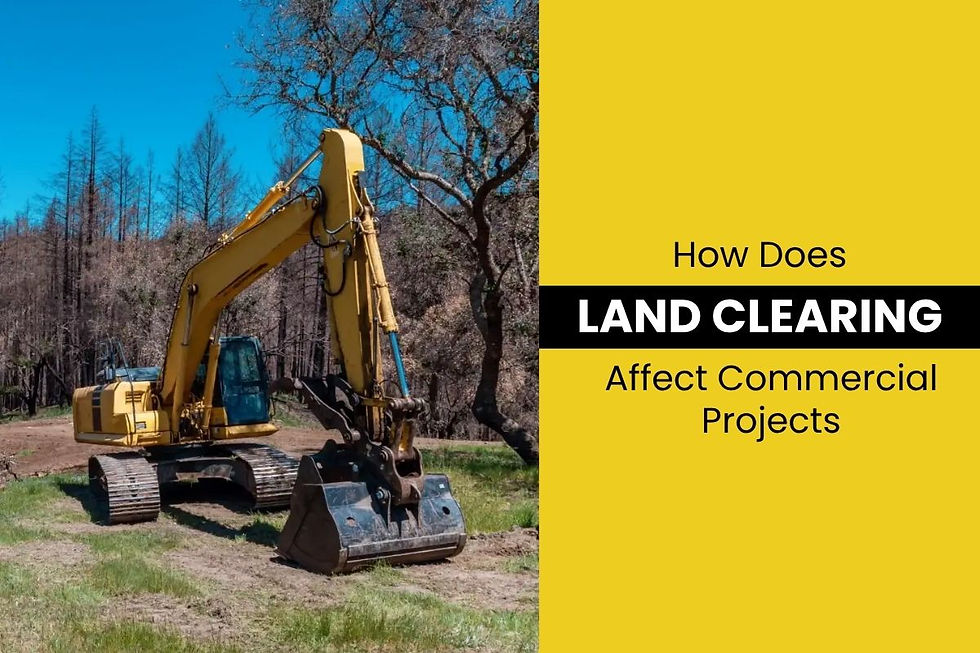
When is the Right Time for Land Clearing in Callahan, FL?

Land clearing is one of the most critical first steps in preparing any property for development, agriculture, or landscaping. But timing matters more than most property owners realize. Choosing the right season and conditions for land clearing in Callahan, FL can directly impact efficiency, cost, environmental health, and long-term project success.
In this guide, we’ll break down the best time to clear land in Callahan, what factors you should consider, and how to plan your project strategically for maximum results.
Understanding Land Clearing in Callahan, FL
Callahan, located in Northeast Florida, experiences a humid subtropical climate. This means hot summers, mild winters, and a fair amount of rainfall throughout the year. These environmental conditions play a major role in determining the ideal time for land clearing.
Land clearing involves removing trees, brush, stumps, and other vegetation to prepare land for:
Residential or commercial construction
Farming or agriculture
Property expansion
Improved accessibility and safety
Because soil conditions, moisture levels, and vegetation cycles vary throughout the year, not every season is equally suitable.
Best Time for Land Clearing in Callahan, FL
Winter: The Ideal Season for Land Clearing
Winter is widely considered the best time for land clearing in Callahan.
Why winter works best:
Vegetation growth is minimal
Trees often have less foliage, making removal easier
Soil is typically drier and more stable
Reduced risk of disturbing wildlife habitats
With fewer leaves and undergrowth, contractors can work faster and more efficiently. Additionally, frozen or firmer ground (during colder snaps) helps prevent heavy machinery from causing soil damage.
Early Spring: A Secondary Opportunity
Early spring can also be a good time for land clearing, especially if you missed the winter window.
Benefits of early spring clearing:
Prepares land for planting season
Moderate temperatures allow comfortable working conditions
Soil is still manageable before heavy rains begin
However, timing is crucial. Once the rainy season kicks in, the ground can become too wet, leading to delays and potential soil compaction issues.
When to Avoid Land Clearing
Summer: Challenging Conditions
Summer in Callahan can be harsh for land clearing projects.
Challenges include:
High temperatures and humidity
Rapid vegetation growth
Increased rainfall leading to muddy conditions
Higher labor and equipment strain
While clearing can still be done, it often takes longer and may cost more due to inefficiencies.
Rainy Season: Soil Compaction Risks
Heavy rainfall creates soft, saturated soil, which can be problematic.
Risks of clearing during wet conditions:
Machinery sinking into the ground
Soil erosion and runoff
Damage to the land’s natural structure
Delays due to weather interruptions
Clearing during excessively wet conditions can create long-term issues that affect construction or farming later.
Key Factors That Determine the Right Time
Purpose of Land Clearing
Your project goals will heavily influence timing.
Construction projects: Clear land several months before building begins
Agriculture: Clear before planting season
Property maintenance: Schedule during off-growth seasons
Soil Condition
Dry, firm soil is ideal for land clearing. Wet soil can lead to:
Compaction
Poor drainage
Structural instability
Testing soil conditions before starting is always a smart move.
Vegetation Type
The density and type of vegetation also affect timing.
Thick brush and overgrowth are easier to manage in winter
Hardwood trees may require specific equipment regardless of season
Invasive species should be cleared before they spread
Environmental Regulations
Certain times of the year may have restrictions to protect wildlife or wetlands.
Always check:
Local regulations
Protected species considerations
Permit requirements
Planning ahead ensures compliance and avoids costly penalties.
Benefits of Choosing the Right Time
Cost Efficiency
Clearing land during the optimal season reduces labor hours and equipment wear, saving money.
Faster Project Completion
Better conditions mean fewer delays and smoother operations.
Improved Land Quality
Proper timing helps preserve soil health and reduces erosion risks.
Better Results for Future Use
Whether you’re building or farming, starting with properly cleared land sets the foundation for success.
Professional Land Clearing vs DIY Timing
While some property owners consider clearing land themselves, professional services bring valuable expertise.
Professionals offer:
Knowledge of local climate and soil conditions
Access to specialized equipment
Efficient project timelines
Compliance with regulations
Hiring experts ensures the job is done right, especially when timing is critical.
Tips for Planning Your Land Clearing Project
Schedule your project during winter whenever possible
Monitor weather forecasts before starting
Conduct a site inspection beforehand
Secure necessary permits early
Work with experienced land clearing professionals
Planning ahead can make a significant difference in both cost and outcome.
Common Mistakes to Avoid
Clearing land during heavy rains
Waiting until peak growing season
Ignoring soil conditions
Not planning for debris removal
Skipping professional consultation
Avoiding these mistakes helps protect your investment and ensures smoother project execution.
FAQs
1. What is the best month for land clearing in Callahan, FL?
The best time is typically between December and February when vegetation is minimal and soil conditions are more stable.
2. Can land clearing be done during summer?
Yes, but it’s less efficient due to heat, humidity, and rapid vegetation growth, which can increase costs and time.
3. Does rain affect land clearing projects?
Absolutely. Wet conditions can delay work, damage soil, and make machinery operation difficult.
4. How long does land clearing take?
It depends on property size, vegetation density, and weather conditions. Smaller projects may take a few days, while larger ones can take weeks.
5. Do I need permits for land clearing in Callahan, FL?
In many cases, yes. It’s important to check local regulations and obtain any required permits before starting.
Final Thoughts
Choosing the right time for land clearing in Callahan, FL isn’t just about convenience—it’s about maximizing efficiency, protecting your land, and ensuring long-term success for your project. Winter remains the ideal season, offering the best balance of favorable weather, manageable vegetation, and stable soil conditions.
If you’re planning a land clearing project, working with experienced professionals can make all the difference