Which Mistakes to Avoid During New Home Construction Clearing Projects?
- seoatchandigarh315
- May 8, 2025
- 3 min read

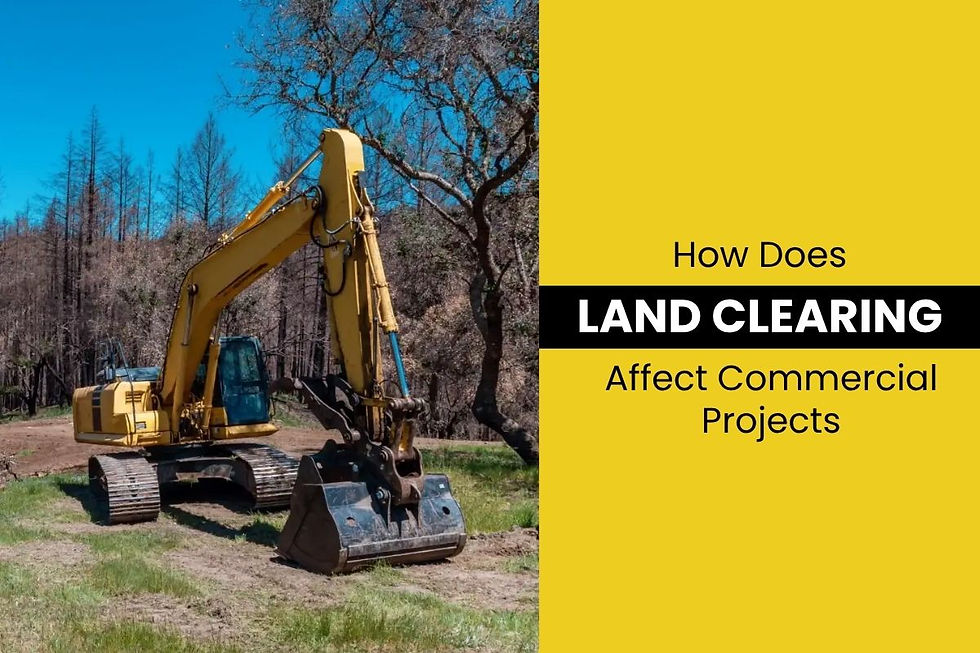
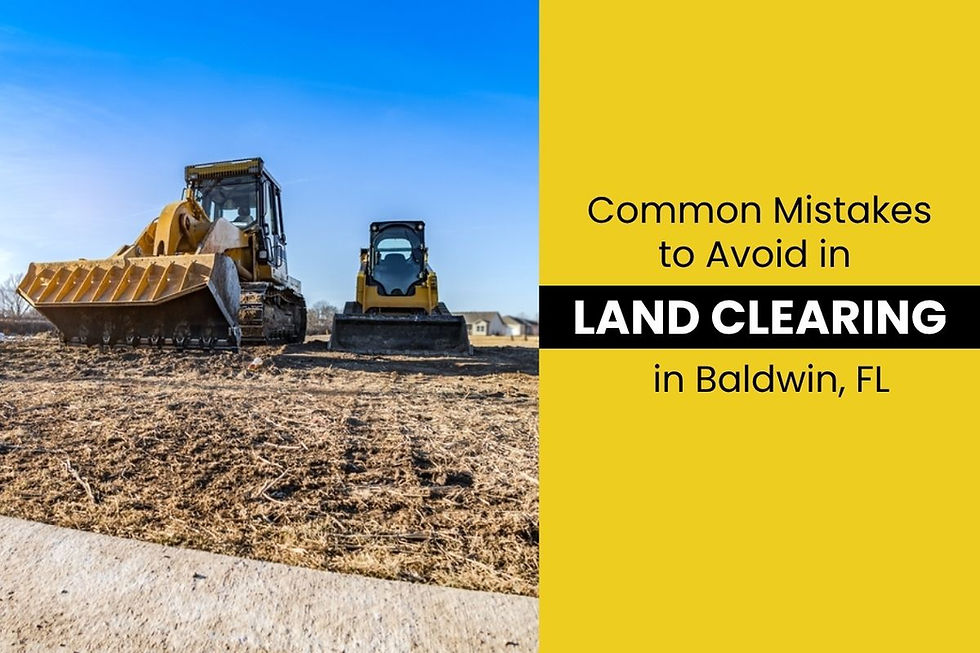
Building a new home is an exciting journey, but before laying the foundation, one crucial step is often overlooked or rushed—land clearing. Proper land clearing sets the stage for everything that follows, from grading and drainage to utilities and structural stability. Whether you're managing the process yourself or hiring professionals, avoiding common land clearing mistakes can save you time, money, and future headaches.
In this blog, we’ll explore the biggest mistakes to steer clear of during new home construction clearing projects and how land clearing services that prioritize sustainable land clearing practices can make all the difference.
Mistake 1 Skipping a Site Assessment
One of the most common—and costly—mistakes is failing to thoroughly assess the site before clearing begins. Each piece of land is unique, with varying slopes, soil types, vegetation, and drainage needs. A proper assessment helps you:
Identify protected trees or wetlands
Understand grading and drainage requirements
Plan for erosion control
Tip: Always consult with experienced land clearing professionals who can perform a detailed site analysis before starting the job.
Mistake 2 Clearing More Land Than Necessary
It might be tempting to clear the entire lot “just in case,” but over-clearing leads to higher costs and long-term environmental damage. Removing too much vegetation can increase erosion, disrupt the ecosystem, and reduce property value by eliminating natural aesthetics.
Instead, consider sustainable land clearing a method that removes only what’s necessary and preserves the natural landscape whenever possible. This not only benefits the environment but can also be more budget-friendly.
Mistake 3 Hiring the Wrong Land Clearing Company
Not all land clearing services are created equal. Some companies may lack the right equipment, experience, or knowledge of local regulations. This could lead to poor workmanship, code violations, or delays in your project.
When choosing a contractor, make sure to:
Check references and reviews
Verify licensing and insurance
Ask about their approach to sustainable practices
Request a detailed estimate and timeline
Partnering with a reputable company ensures the job is done efficiently and responsibly.
Mistake 4 Ignoring Permits and Regulations
Clearing land without the proper permits can result in fines or even legal action. Regulations vary by city, county, and state, and they may include restrictions on tree removal, soil disturbance, or the use of heavy machinery.
Before you begin, check with your local permitting office or hire professionals who are familiar with local zoning laws and environmental regulations.
Mistake 5 Not Planning for Drainage
One of the main goals of land clearing is to prepare a stable foundation—but failing to consider water flow can turn your cleared land into a flood zone. Poor drainage can cause structural damage, mold, and erosion over time.
A sustainable land clearing approach involves grading the land to direct water away from structures, using silt fences or retaining walls, and maintaining vegetation where needed to absorb runoff.
Mistake 6 Overlooking Tree and Root Management
Cutting down a tree doesn’t mean the job is done. Tree roots can continue to grow, or worse, die and rot, potentially damaging your foundation. Stumps left in the ground also pose safety hazards and make it difficult to grade properly.
Choose land clearing services that offer complete tree and root removal, and when possible, opt for grinding or mulching techniques that recycle biomass rather than burning it.
Mistake 7 Burning Debris Without Caution
While it might seem efficient, burning debris from clearing can be risky and is often illegal without a permit. Open burns contribute to air pollution, pose fire hazards, and can disrupt nearby communities.
A better option is hiring a company that uses sustainable land clearing methods such as forestry mulching, which turns brush and trees into nutrient-rich mulch right on site—reducing waste and improving soil health.
Wrapping It Up
Clearing your land properly is more than just cutting down trees and removing stumps. It requires thoughtful planning, an understanding of local regulations, and a commitment to long-term sustainability. Avoiding these common mistakes will set your new home construction project on the right path from day one.
When in doubt, choose trusted land clearing services that prioritize sustainable land clearing techniques. The right team will not only clear your land safely and efficiently but also protect its future potential.